
Nothing kills a job’s momentum faster than a SafeWork NSW inspector showing up and finding you’re short on safety gear. Or worse, someone actually getting hurt because you didn’t have the right equipment.
I’ve been on sites that got shut down over missing PPE. Seen blokes sent home because they didn’t have proper high-vis. Watched projects rack up fines that made the principal contractor’s eyes water.
Here’s the straight truth about what you actually need on Sydney construction sites in 2025—not the bare minimum to squeak by, but what keeps everyone safe and inspectors happy.
The New Normal: What’s Changed in 2025
SafeWork NSW has gotten stricter. That’s not me being dramatic—it’s observable reality.
Random site inspections are up about 40% from three years ago. The fines have increased. And they’re targeting specific industries harder, with residential construction and demolition getting extra attention.
Recent changes that matter:
- Higher standards for silica dust control (massive push on this)
- Stricter enforcement on height safety
- More focus on mental health and fatigue management
- Increased penalties for repeat offenders
The inspectors I’ve dealt with lately aren’t looking for technical violations to nitpick. They’re looking for actual safety culture. Is your gear in good condition? Are people actually wearing it? Can you demonstrate you’ve done training?
The Absolute Non-Negotiables
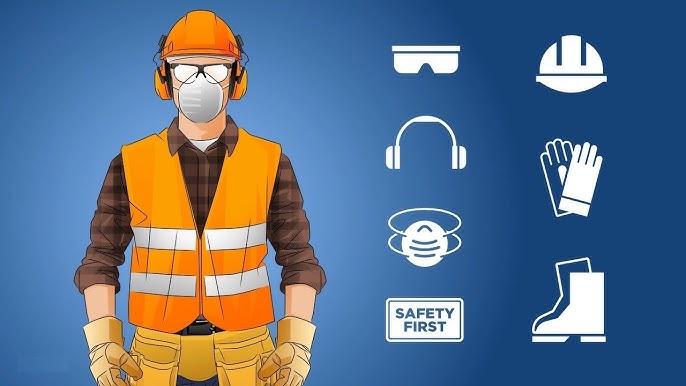
Let’s start with what needs to be on every single person before they step on site:
Hard Hats (Safety Helmets)
Minimum requirement: AS/NZS 1801 Type 1 (protects from vertical impacts)
Better option: Type 2 (adds lateral impact protection)
Here’s what I’ve learned: cheap hard hats crack when dropped. Then people keep wearing them. A cracked hard hat is basically a plastic hat—no protection at all.
Spend the extra $20 and get quality helmets. Kask, Protector, JSP—these brands last. The $12 bunnings specials last maybe six months before they’re garbage.
Check for:
- Manufacturing date (replace after 5 years regardless of condition)
- Cracks or damage to shell
- Degraded suspension system
- Missing chin strap (required for elevated work)
Sydney-specific consideration: Summer here is brutal. Vented hard hats are worth the upgrade. Blokes actually wear them instead of taking them off “for just a minute” which turns into an hour.
Safety Boots
Standard: AS/NZS 2210.3, minimum 130J steel toe cap
I’ll say this once: safety boots are not the place to cheap out. Your feet carry you around all day. Bad boots mean sore feet, which means tired workers, which means mistakes.
What actually works:
- Steel Blue, Mongrel, Oliver—these are worth the $180-220
- Replace when the sole wears through to the steel shank (yes, people push it)
- Metatarsal guards for demolition or heavy steel work
- Electrical hazard rating if you’re anywhere near power
Sydney weather means your boots need to handle 35°C summer days and wet winters. Leather breathes better than synthetic for summer. Waterproof membranes are worth it for wet weather.
High Visibility Clothing
Day work: AS/NZS 1906.4:2010 Class D (minimum)
Night work or road work: Class D/N (day/night visibility)
The standard changed and a lot of old gear doesn’t comply anymore. That faded fluro shirt from 2018? Probably doesn’t meet the current reflective strip requirements.
What you need:
- Minimum 50mm reflective tape configured correctly (shoulder, torso, arms)
- Fluorescent background in orange, yellow, or red
- Garment must be in good condition (faded = non-compliant)
Sydney reality check: It’s too hot for long sleeves half the year. Short sleeve high-vis shirts are compliant. Vests over singlets are not (unless the singlet is also high-vis).
Get moisture-wicking fabric. Cotton high-vis shirts are miserable in Sydney summers.
Safety Glasses
Minimum: AS/NZS 1337.1, medium impact rated
I see people wearing regular sunglasses on site weekly. Those aren’t rated. They’ll shatter and put plastic in your eyes.
Get proper safety eyewear that:
- Has side shields
- Meets AS/NZS 1337.1
- Fits properly (gap between lens and face = debris entry point)
- Doesn’t fog up (anti-fog coating matters)
For welding or cutting work, you need proper rated shields or auto-darkening helmets. Regular safety glasses aren’t enough.
The prescription glasses question: Yes, you can get prescription safety glasses. They cost more but they’re worth it. Blokes trying to work with safety glasses over regular glasses just end up taking them off.
Hearing Protection
Required when: Noise exceeds 85dB (which is most construction sites)
Standards: AS/NZS 1270 (earmuffs) or AS/NZS 1270 (earplugs)
Hearing damage is permanent. I know tradies in their 40s with the hearing of 70-year-olds because they didn’t protect themselves.
Options:
- Disposable foam earplugs (NRR 29-33dB) – cheap but people don’t insert them properly
- Reusable earplugs (better fit, last longer)
- Earmuffs (easier to verify people are wearing them)
Pro tip: Communication earmuffs with Bluetooth are worth it for supervisors. You can take calls without removing protection.
Height Work Safety Gear
Anything above 2 meters requires fall protection. That’s the rule. Not 3 meters. Not “only for a minute.” 2 meters.
Safety Harnesses
Standard: AS/NZS 1891.1 (full body harness for construction)
Not acceptable:
- Old waist-belt harnesses
- Harnesses past their service life (typically 5 years, check manufacturer)
- Damaged or worn harnesses
What to look for:
- D-ring attachment point on the back (between shoulder blades)
- Adjustable leg, chest, and shoulder straps
- Padding on shoulders and legs (comfort = compliance)
- Tool attachment points
Get them fitted properly. A loose harness won’t save you in a fall. Too tight and people won’t wear it all day.
Lanyards and Shock Absorbers
Types:
- Fixed length lanyards (simple, but limits movement)
- Adjustable lanyards (more flexibility)
- Self-retracting lanyards (best for constant movement)
All lanyards need shock absorbers built in or attached separately. The shock absorber deploys in a fall to limit arrest force on your body.
Sydney consideration: Heat degrades shock absorbers faster. Check them more frequently in summer.
Anchor Points
Having a harness is useless without somewhere to attach it.
Temporary anchor points:
- Roof anchors (beam clamps, ridge anchors)
- Scaffold anchors
- Mobile anchor points
These all need to be rated for 15kN minimum and installed by someone who knows what they’re doing.
Never anchor to:
- Roof plumbing
- Chimneys
- Gutters
- “It looks solid”
I’ve seen someone anchor to a roof vent that pulled straight out. They were lucky it happened during setup, not during a fall.
Respiratory Protection
The silica dust regulations have gotten serious. If you’re cutting, grinding, or drilling concrete, masonry, or stone, you need respiratory protection.
Disposable Masks
P1 masks: Nuisance dust only. Not adequate for silica.
P2 masks: Minimum for construction dust, including silica.
P3 masks: Better protection, use for high-exposure work.
Reality check: Those paper dust masks? They’re P1. Not enough for compliance on concrete work.
Get P2 masks minimum. Make sure they’re AS/NZS 1716 certified. And make sure they actually fit—facial hair prevents a proper seal.
Reusable Respirators
For heavy dust work (grinding, demolition), half-face or full-face respirators with P3 filters are worth the investment.
Benefits:
- Better seal
- Higher protection factor
- More comfortable for all-day use
- Cost-effective over time
Downsides:
- Need fit testing
- Need proper storage
- Filters need replacing regularly
Hand Protection
Standard: AS/NZS 2161.2
Not all gloves are created equal. You need different gloves for different tasks.
General construction: Synthetic leather or rigger gloves
Cut hazards: Cut-resistant gloves (rated Level A to F, get at least Level C)
Chemical handling: Chemical-resistant nitrile or neoprene
Electrical work: Rated electrical gloves (not regular work gloves)
The mistake I see: People using one pair of gloves for everything. Your general riggers won’t protect against chemical burns. Your chemical gloves won’t protect against cuts.
First Aid Requirements
Minimum requirements depend on site size:
- Under 10 workers: Basic first aid kit
- 10-50 workers: Workplace first aid kit
- Over 50 workers: Workplace first aid kit plus trauma kit
What actually needs to be in there:
- First aid manual
- Bandages, dressings, and tape
- Eye wash (critical for construction sites)
- Burn treatments
- Resuscitation face shield
- Scissors and tweezers
- Gloves
- Record book
Sydney-specific: Summer heat means you should have oral rehydration salts and cold packs. Heat exhaustion is real.
Trained First Aid Officers
Requirements:
- Sites with 10+ workers need a first aider on site
- Certificate needs to be current (3 years for most courses)
- Need more than one if shifts mean the first aider isn’t always present
This isn’t optional. I’ve seen $5,000 fines for not having trained first aid coverage.
Fire Safety Equipment
Fire extinguishers:
- Type ABE (dry powder) for general construction
- At least one per story/level
- Located within 30m travel distance of any point
- Serviced annually (check the tag)
Hot work permits:
- Required for welding, cutting, grinding
- Fire extinguisher must be immediately available
- Fire watch for 60 minutes after work finishes
I watched a site burn down because someone was cutting steel, sparks landed in sawdust two floors down, and nobody noticed for 20 minutes. Have a fire watch.
Site Amenities
These aren’t technically PPE but they’re required and inspectors check for them:
Toilets:
- 1 per 20 workers (minimum)
- Must be clean, stocked, and functional
Drinking water:
- Clean, cool drinking water must be available
- In Sydney summer, this means accessible water stations
Shade and rest areas:
- Required on sites with 10+ workers
- Must have seating and protection from weather
Hand washing facilities:
- Soap and clean water
- Especially important with silica dust concerns
Vehicle and Traffic Management
If you’re working near roads or have vehicles on site:
Traffic control gear:
- Witches hats (minimum 900mm high, fluorescent)
- Bunting and barriers
- Stop/slow bats (if controlling traffic)
Vehicle safety:
- Reversing alarms and cameras
- Spotter for reversing in congested areas
- Designated pedestrian walkways marked
Signage Requirements
Entry signage must include:
- “Construction site – authorized access only”
- Emergency contact numbers
- Site manager details
- PPE requirements
Safety signs needed:
- Height hazard warnings
- Electrical hazard warnings
- Chemical storage warnings
- Emergency exit signs
The Paperwork Side
Gear is only half of it. You need documentation:
Safety documentation checklist: ☐ Site-specific SWMS (Safe Work Method Statements)
☐ Toolbox talk records
☐ Plant and equipment registers
☐ Licenses and certificates (height work, forklift, etc.)
☐ Incident reports and near-miss records
☐ First aid training certificates
☐ PPE inspection records
Inspectors will ask for these. “We do it but don’t write it down” doesn’t cut it anymore.
What It Actually Costs
Let’s talk real numbers for a small crew (5 workers):
Initial PPE setup per worker:
- Hard hat: $50-80
- Safety boots: $180-220
- High-vis shirt (x2): $60-80
- Safety glasses: $15-25
- Hearing protection: $15-30
- Work gloves (various): $40-60
- Total per worker: ~$400-500
For 5 workers: $2,000-2,500 initial outlay
Annual replacement/maintenance:
- Boots (annually): $180 per worker
- High-vis (2x yearly): $60 per worker
- Gloves (quarterly): $80 per worker
- Hard hats (every 5 years): $60 per worker
- Annual per worker: ~$350-400
That’s before specialized gear (harnesses, respirators, etc.).
Yeah, it’s not cheap. But one serious injury or one shutdown over non-compliance costs way more.
The Culture Part
Here’s what I’ve learned: the best safety gear in the world doesn’t help if people don’t use it.
How to actually get compliance:
- Make gear comfortable and accessible
- Lead by example (bosses in full PPE, always)
- Don’t tolerate shortcuts, even small ones
- Replace damaged gear immediately (people will use broken gear if that’s all there is)
- Listen when people say gear doesn’t fit or work properly
I’ve worked on sites where safety was a checkbox exercise. And I’ve worked on sites where everyone actually gave a damn. The difference is culture, not rules.
Quick Pre-Start Safety Check
Before anyone starts work:
☐ Everyone has and is wearing appropriate PPE
☐ First aid kit accessible and stocked
☐ Emergency numbers visible
☐ Fire extinguishers present and serviced
☐ Height safety gear inspected if doing elevated work
☐ SWMS reviewed and signed
☐ Site hazards identified and discussed
Takes 5 minutes. Prevents hours of problems.
The Bottom Line
Sydney construction sites in 2025 require proper safety gear and documentation. The rules are stricter, the inspections are more frequent, and the penalties are higher.
But honestly? That’s probably a good thing. I’ve watched the industry get safer over my career, and that means people going home in the same condition they arrived.
Get the right gear. Maintain it properly. Make sure people actually use it. Document everything. And don’t cut corners—it’s never worth it.
Need to stock up on safety equipment for your Sydney site? TOPFIX supplies a complete range of AS/NZS certified PPE and safety gear. Visit our Moorebank showroom or call 1300 867 349 for trade pricing.
Safety Equipment Available:
- Hard Hats & Safety Helmets
- Safety Footwear (Steel Blue, Mongrel, Oliver)
- High-Visibility Clothing
- Height Safety Equipment (Harnesses, Lanyards)
- Respiratory Protection (P2/P3 Masks, Respirators)
- First Aid Kits & Supplies
- Safety Signage