
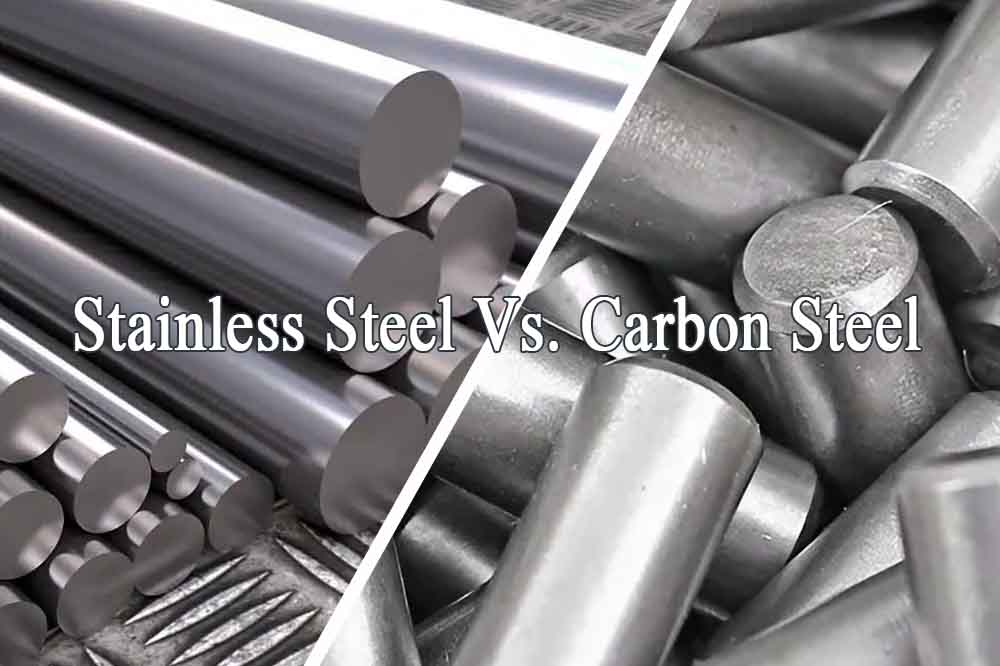
Fastener Material Properties: Carbon Steel vs Stainless Steel Performance
Choosing the right fastener material is about performance, not preference. The debate between carbon steel vs stainless steel comes up on almost every project — and the wrong choice usually shows up years later as corrosion, failure, or unnecessary replacement.
This guide breaks down fastener materials based on real material properties and site conditions, not marketing labels.
Carbon Steel Fasteners: Strength and Versatility
Carbon steel is the most common fastener material used in construction — and for good reason.
Key characteristics:
- High strength capability
- Wide range of grades (4.6, 8.8, 10.9, 12.9)
- Cost-effective
- Suitable for structural applications
Carbon steel fasteners are usually protected with a coating (zinc, galvanised, etc.) because bare carbon steel corrodes quickly.
Where Carbon Steel Performs Best
- Structural steel connections
- Machinery and plant
- Internal or protected environments
- Applications where strength is critical
If your job requires high clamp loads or structural performance, carbon steel is usually the correct starting point.
Stainless Steel Fasteners: Corrosion Resistance First
Stainless steel is chosen primarily for corrosion resistance, not strength.
Common grades include:
- 304 stainless – general corrosion resistance
- 316 stainless – improved resistance in coastal or aggressive environments
Stainless fasteners do not rust like carbon steel, but they behave very differently under load.
Strength Differences That Matter
Here’s the key point many people miss:
- Most stainless fasteners have lower tensile strength than high-tensile carbon steel bolts
That means stainless is not automatically an upgrade. In structural or high-load applications, stainless may be unsuitable unless specifically engineered.
Galling: The Hidden Stainless Steel Problem
Stainless fasteners are prone to thread galling, especially:
- Stainless bolt into stainless nut
- High installation speed
- Dry threads
Once galling starts, the fastener locks up and usually has to be cut off.
Preventing galling requires:
- Correct lubrication
- Controlled installation speed
- Proper material pairing
Carbon Steel vs Stainless: Real-World Comparison
Choose carbon steel when:
- Structural performance matters
- High clamp loads are required
- Cost efficiency is important
- The environment is controlled or protected
Choose stainless steel when:
- Corrosion resistance is the priority
- Exposure is coastal, wet, or chemical
- Strength demands are moderate
- Aesthetic finish matters
Australian Conditions Matter
Australian environments are harsh — UV, salt air, heat, and moisture all play a role. Material choice should always consider where the fastener will live, not just how strong it looks on paper.
👉 For more on this, read:
Best Construction Fasteners for Australian Conditions
Final Advice on Fastener Materials
There is no “best” fastener material — only the right material for the application.
When in doubt, match:
- Load requirements
- Environmental exposure
- Compliance needs
Then choose the material that supports all three.