
Thread Types Explained: Coarse vs Fine Thread for Construction Applications
Threads are one of those things most people only think about after something goes wrong — stripped nut, fastener backing out, or a connection that refuses to clamp properly.
If you’re choosing construction fasteners, understanding thread types (coarse vs fine) saves time, money, and rework.
The difference (in one sentence)
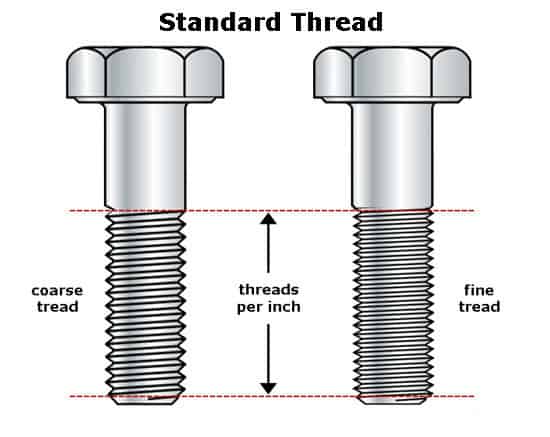
- Coarse thread = fewer, deeper threads per length (faster to install, more tolerant)
- Fine thread = more, shallower threads per length (better adjustment/clamp control, more sensitive)
When coarse thread wins on construction sites
Use coarse thread when:
- You’re working with general construction tolerances (site reality, not workshop perfection)
- You want faster engagement (less turning to fully seat)
- You’re in materials that benefit from deeper thread form and better resistance to damage
Coarse thread is the “site friendly” option — less finicky, easier to start, less likely to bind if threads aren’t pristine.
When fine thread is the better choice
Use fine thread when:
- You need better adjustability and clamp control (small turns = meaningful clamp change)
- You’re dealing with vibration where proper clamp + lock strategy is specified
- The application is engineered for fine thread (don’t swap casually)
Fine threads can perform brilliantly, but they punish sloppy handling: dirt, burrs, slight misalignment — all of it matters more.
The hidden killer: thread stripping and cross-threading
Most thread failures in the field come from:
- starting the nut crooked
- forcing the first turn with a tool instead of fingers
- mixing similar-looking fasteners (metric/imperial or wrong pitch)
If it doesn’t spin freely by hand at the start, stop and reset.
Coarse vs fine in Australian context (practical)
Because most construction supply and on-site work is metric, you’ll typically see:
- Standard metric (coarse) as the default
- Fine pitch where engineering or specific equipment requires it
If you’re mixing imported gear, read the spec twice (and keep that metric/imperial conversion guide handy).
Tie-in: strength grades + thread choice
Thread type isn’t the same as strength grade. You can have coarse thread in an 8.8 bolt, and fine thread in a 10.9 bolt — but the more “high performance” you go, the more important correct installation becomes (clean threads, correct torque method, correct washers, correct joint design).
Internal links (Topfix)
- Strength selection companion piece (already on Topfix): https://topfix.com.au/lightweight-vs-high-strength-fasteners-choosing-for-modern-construction/
- Concrete anchoring mistakes (good supporting internal link): https://topfix.com.au/5-common-concrete-anchoring-mistakes-and-how-to-avoid-them/
- Delivery / logistics for Sydney sites: https://topfix.com.au/shipping/