
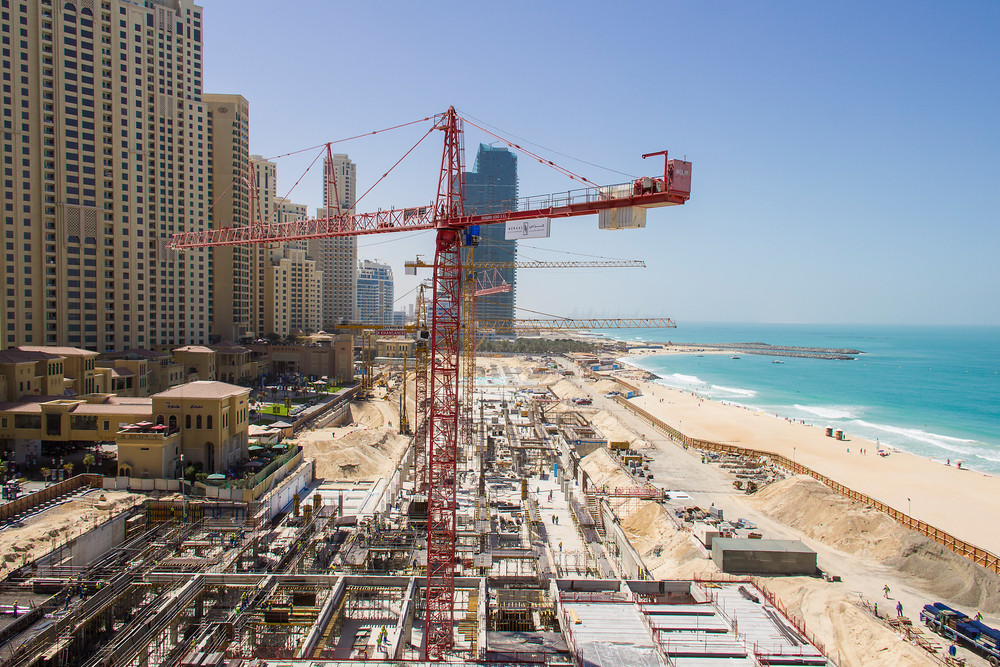
There’s a building on Bondi Beach with rust stains running down the white facade like bloody tears. Beautiful $800/sqm apartments, less than five years old, looking like they’re 30.
The problem? Someone saved maybe $2,000 on fasteners by using Class 3 coated instead of marine-grade stainless steel. That decision is now going to cost the owners’ corporation somewhere north of $150,000 to fix.
If you’re building anywhere near the coast in Sydney or NSW, this article might save you from making the same expensive mistake.
Why Coastal Construction is Different
Let me be blunt: the coast destroys fasteners. Not gradually—aggressively.
What you’re fighting:
- Salt spray: Creates chloride ions that punch through protective coatings
- Constant humidity: 70-85% relative humidity year-round near beaches
- UV exposure: Coastal UV is intense, degrading protective coatings faster
- Temperature cycling: Metal expands and contracts, cracking protective layers
- Wind-driven salt: Carries corrosive particles kilometers inland
I’ve pulled fasteners from coastal buildings that looked like Swiss cheese after just 3 years. The corrosion rate near saltwater is roughly 10x faster than inland areas.
The Coastal Zones: How Far is Too Far?
Not all “coastal” locations have the same corrosion risk. Here’s how to assess your site:
Extreme Zone (0-100m from ocean)
Direct salt spray exposure
Anything within 100 meters of breaking waves gets constant salt mist. This is the harshest environment.
Examples: Bondi, Coogee, Manly beachfront, Cronulla esplanade
Requirement: Grade 316 stainless steel, no exceptions
Alternative: None – this is non-negotiable
I’ve seen builders try to use Class 4 coated fasteners in this zone. They all failed within 5 years.
High Zone (100m-500m from ocean)
Heavy salt influence
Salt spray reaches this zone during storms and strong winds. Still extremely corrosive.
Examples: Second row back from beaches, elevated sites with ocean views
Requirement: Grade 316 stainless steel strongly recommended
Acceptable alternative: Class 4 coated for some less critical applications
Moderate Zone (500m-1km from ocean)
Moderate salt influence
Airborne salt still reaches here, especially during offshore winds. Higher corrosion than inland but manageable with proper materials.
Examples: Most of Bondi/Bronte residential, parts of Maroubra, Dee Why
Requirement: Grade 304 stainless or Class 4 coated minimum
Budget option: Class 4 for all exposed fasteners
Light Zone (1km-5km from ocean)
Occasional salt influence
You’ll get salt deposition during certain wind conditions, but it’s not constant.
Examples: Randwick, Clovelly inland, Freshwater away from beach
Requirement: Grade 304 stainless or Class 4 coated
Budget option: Class 3 for very protected applications only
Critical point: Don’t assume you’re in a light zone just because you can’t see the ocean. Salt particles travel on wind. Check the prevailing wind direction.
Material Comparison: What Actually Works
Let me break down the real-world performance of different fastener materials in coastal NSW:
Grade 316 Stainless Steel (Marine Grade)
Composition: 16-18% chromium, 10-14% nickel, 2-3% molybdenum
The molybdenum is what makes this special—it provides exceptional resistance to chloride corrosion.
Real performance:
- 30+ years in direct coastal exposure
- Resists pitting corrosion from salt
- Maintains structural integrity
- No rust staining
Cost: 3-4x standard zinc-plated fasteners
When to use: Within 1km of ocean, minimum
I spec 316 stainless on every coastal project now. The upfront cost is higher, but I’ve never had a callback for corrosion issues.
Project example: Apartment building in Maroubra, 200m from beach. 316 stainless throughout. Seven years later, fasteners still look new. Neighboring building with galvanized? Rust staining started year three.
Grade 304 Stainless Steel
Composition: 18% chromium, 8% nickel, no molybdenum
Good general corrosion resistance but vulnerable to chloride attack.
Real performance:
- 15-20 years in light coastal zones
- Can develop pitting in direct salt exposure
- Better than coated products in humid environments
Cost: 2-3x standard zinc-plated
When to use: 1-5km from ocean, protected applications closer
304 works fine for Sydney metro inland areas. But I’ve seen it pit and corrode within 500m of ocean. Not worth the risk in direct coastal.
Class 4 Coated Fasteners (Geomet/Dacromet)
Protection: Zinc-aluminum flake coating, 1000+ hours salt spray resistance
This is serious corrosion protection—better than hot-dip galvanizing.
Real performance:
- 15-20 years in moderate coastal exposure
- Eventually fails in direct salt spray
- Good cost-performance balance
Cost: 1.5-2x standard zinc-plated
When to use: 500m-1km from ocean, or as Class 4 coating budget alternative to stainless
Class 4 is my go-to when clients push back on stainless steel costs but we’re still in coastal influence zones.
Hot-Dip Galvanized
Protection: Thick zinc coating (85+ microns)
Provides sacrificial protection—zinc corrodes before steel.
Real performance:
- 10-15 years in moderate coastal zones
- Develops white rust (zinc carbonate) in salt exposure
- Eventually breaks down, exposing steel
Cost: Slightly above zinc-plated
When to use: Structural bolts in protected coastal applications
Hot-dip galvanizing works okay for heavier structural bolts but isn’t ideal for coastal small fasteners.
Class 3 Coated
Protection: Zinc-aluminum coating, 500+ hours salt spray resistance
Decent for general outdoor use, inadequate for coastal.
Real performance:
- 5-8 years in light coastal zones
- 2-4 years in direct coastal exposure
- Will develop rust staining
When to use: Only for interior or very well-protected exterior applications in coastal areas
Don’t use Class 3 on coastal buildings. Just don’t. I’ve seen too many failures.
Application-Specific Recommendations
Different building elements face different corrosion challenges:
Facade & Cladding Fasteners
Mandate: Grade 316 stainless steel
Facade fasteners are:
- Directly exposed to salt spray and UV
- Difficult to inspect after installation
- Expensive to replace (scaffolding, cladding removal)
- Visible (rust staining shows immediately)
Real cost of failure: $100-200 per fastener to replace once cladding is installed
Use 316 stainless. There’s no acceptable alternative within 1km of ocean.
Structural Steel Connections
Primary choice: Grade 316 stainless structural bolts
Alternative: Hot-dip galvanized with regular inspection schedule
Structural connections carry life safety loads. You cannot risk corrosion failure.
Engineering note: Most structural engineers now mandate stainless steel for coastal connections. The AS 4100 design standard assumes fasteners maintain capacity over building life.
Metal Roofing
Mandate: Stainless steel self-drilling screws with EPDM washers
Roof fasteners face:
- Maximum UV exposure
- Temperature extremes (roofs hit 70°C+ in summer)
- Direct weather exposure
- Wind-driven salt spray
Class 4 coated screws in coastal roofing: I’ve seen them rust through in 5-7 years. The washer fails first, water gets behind head, corrosion starts.
Stainless steel screws: 25+ years of reliable performance.
The cost difference on a typical roof is maybe $300-500. Replacing failed roof fasteners costs $8,000-15,000.
Timber Decking & Outdoor Structures
Mandate: Grade 316 stainless (or 304 minimum) for all deck screws
Timber decking applications are particularly harsh:
- Moisture trapped between deck boards
- Treatment chemicals in timber (copper accelerates corrosion)
- Direct weather and salt exposure
Never use galvanized on coastal decking. The copper in treated pine creates galvanic corrosion that destroys galvanized fasteners fast.
Personal experience: Replaced an entire deck’s worth of corroded galvanized screws after 4 years. Screws snapped when trying to remove boards. Massive waste of time and money.
Balustrades & Railings
Mandate: Grade 316 stainless throughout
Balustrades face:
- Hand contact (salt and oils from skin)
- Direct weather exposure
- Safety-critical function
- High visibility (rust staining is unacceptable)
This is another area where there’s no acceptable substitute for 316 stainless.
HVAC & Mechanical Equipment
Coastal rooftop units: Grade 316 stainless fasteners
Protected mechanical: Grade 304 acceptable
Air conditioning condensation creates localized corrosion even in otherwise dry areas. Combined with salt air, regular fasteners don’t last.
Sydney Coastal Suburbs: Specific Recommendations
Let me break this down by actual Sydney locations:
Eastern Suburbs Coastal (Bondi, Bronte, Coogee, Clovelly)
Beachfront (0-200m):
Mandate: 316 stainless for ALL exposed fasteners
Second row (200-500m):
Requirement: 316 stainless recommended, Class 4 acceptable for some protected applications
Inland areas (500m+):
Standard: 304 stainless or Class 4 coated
Specific note: Bondi and Bronte get particularly aggressive salt spray due to prevailing southeasterly winds.
Northern Beaches (Manly, Dee Why, Mona Vale, Palm Beach)
Beachfront:
Mandate: 316 stainless
Headland properties:
Mandate: 316 stainless (exposed to wind from multiple directions)
Inland Pittwater side:
Standard: 304 stainless (less exposed but still high humidity)
Specific note: The Northern Beaches get northeast wind-driven salt during summer storms. Properties on elevated sites need marine-grade protection even 500m+ from water.
Sutherland Shire Coastal (Cronulla, Bundeena, Maianbar)
Beachfront:
Mandate: 316 stainless
Coastal bays:
Requirement: 316 stainless or Class 4 minimum
Inland areas:
Standard: 304 stainless
Specific note: Cronulla’s beach-facing properties get severe southerly exposure. Don’t underestimate the corrosion risk.
Port Hacking & Botany Bay
Waterfront properties:
Requirement: 316 stainless (salt water = marine conditions)
200m+ from water:
Standard: 304 stainless or Class 4 coated
Newcastle & Central Coast
Direct coastal:
Mandate: 316 stainless
Newcastle industrial areas:
Mandate: 316 stainless or Class 4 minimum (industrial pollution + salt = accelerated corrosion)
Inland Central Coast:
Standard: 304 stainless
Specific note: Newcastle’s industrial history means atmospheric corrosion from both salt and historical pollution. Upgrade your specifications.
South Coast (Wollongong, Shellharbour, Kiama)
Beachfront:
Mandate: 316 stainless
Wollongong industrial:
Mandate: 316 stainless (steelworks area has high atmospheric corrosion)
Inland areas:
Standard: 304 stainless or Class 4
Cost Analysis: The Real Numbers
Let’s run actual project numbers so you can see the cost-benefit:
Example: Coastal Townhouse Development (Bondi)
10 townhouses, 2000 external fasteners required
Option 1: Class 3 Coated Fasteners
- Material cost: $2,000
- Expected life: 3-5 years before visible corrosion
- Replacement cost (scaffolding, labor, cladding access): $60,000
- Owner complaints: Guaranteed
- Total 25-year cost: $120,000+
Option 2: Grade 316 Stainless Steel
- Material cost: $7,000
- Expected life: 30+ years
- Replacement cost: $0
- Owner complaints: None
- Total 25-year cost: $7,000
The math is brutal. Every time.
Real project: I consulted on a Maroubra development where the builder initially spec’d Class 3 to save $4,500 on a $2.8M project. After showing this analysis, they upgraded to 316 stainless. Five years later, no corrosion issues while neighboring buildings are dealing with rust staining.
Installation Best Practices for Coastal
Material selection is half the battle. Installation quality matters too:
Pre-Installation
Check fastener storage:
Even stainless can corrode if stored in humid conditions with dissimilar metals. Keep fasteners in original packaging until use.
Verify material grade:
Confirm you actually received 316 and not 304. They look identical but perform very differently.
During Installation
Avoid over-tightening:
Excessive torque can damage the passive layer on stainless steel. Use torque specifications.
Use appropriate tools:
Don’t use carbon steel tools on stainless fasteners. Cross-contamination can cause rust spots.
Pre-drill where required:
Stainless work-hardens. Pre-drilling prevents installation issues and fastener damage.
Thread Lubricants
For stainless steel: Use only approved anti-seize compounds. Stainless galls easily without lubrication.
Never use: Standard grease or oil-based lubricants that can trap moisture.
What We Stock for Coastal Projects
At TOPFIX, we maintain comprehensive stock specifically for coastal NSW construction:
Grade 316 Stainless Steel:
- Self-drilling and self-tapping screws (all sizes)
- Structural bolts (M6 through M24)
- Coach screws and hex bolts
- Threaded rod and all-thread
- Washers and nuts
Class 4 Coated Products:
- Self-drilling tek screws
- Timber screws
- Metal cladding fasteners
Specialized Coastal Products:
- Marine-grade chemical anchors
- 316 stainless expansion anchors
- Coastal-rated construction adhesives
Check our complete catalogue for current stock and pricing.
Common Coastal Fastener Failures I’ve Seen
Learn from others’ expensive mistakes:
Failure 1: Galvanized screws on coastal deck
Timeline: Started corroding year 2, major failure year 4
Cost: $18,000 to replace entire deck fastening
Lesson: Always use stainless on coastal timber
Failure 2: Class 3 facade fasteners (Bondi)
Timeline: Rust staining visible year 3
Cost: $150,000+ for scaffolding and replacement
Lesson: 316 stainless is mandatory for facades
Failure 3: Mixed fastener grades on same building
Timeline: Some corroded, some didn’t – looked terrible
Cost: $25,000 to replace only the failed fasteners
Lesson: Consistency matters for maintenance and appearance
Failure 4: 304 stainless in direct salt spray
Timeline: Pitting corrosion started year 7-8
Cost: Ongoing maintenance issues
Lesson: 304 isn’t marine-grade for good reason
Building Certifier Requirements
NSW building certifiers are getting stricter about coastal fastener specifications:
What they check:
- Material certificates showing grade 316 for coastal applications
- Compliance with AS/NZS corrosion protection standards
- Engineering specifications match installed products
Documentation required:
- Mill certificates
- Material traceability
- Installation records
We provide full AS/NZS compliance documentation with all our coastal-grade products.
Future-Proofing Coastal Builds
Climate change is making coastal corrosion worse:
- Rising sea levels = more salt spray reaching properties
- Increased storm intensity = more wind-driven salt
- Higher humidity levels year-round
My recommendation: Spec one grade better than you think you need. The coastal corrosion zone is expanding inland.
Quick Decision Guide
Within 100m of ocean: Grade 316 stainless steel only
100-500m from ocean: Grade 316 stainless strongly recommended, Class 4 for less critical
500m-1km from ocean: Grade 304 stainless or Class 4 coated minimum
1km+ from ocean: Grade 304 stainless or Class 4 for exposed, Class 3 for protected
Vertical surfaces directly facing ocean: Grade 316 regardless of distance
Getting Expert Advice
Not sure what your specific coastal project needs?
Our technical team can help assess:
- Site-specific corrosion risk
- Appropriate fastener grades
- Compliance requirements
- Cost-effective solutions
Contact us for a site assessment, or call 1300 867 349 to discuss your coastal project.
The Bottom Line
Coastal construction in Sydney and NSW demands marine-grade corrosion protection. Grade 316 stainless steel should be your default choice for anything within 1km of the ocean.
Yes, it costs more upfront. But rust staining, structural degradation, and replacement costs will always exceed the initial material upgrade.
I’ve watched too many beautiful coastal buildings develop corrosion issues because someone tried to save a few thousand dollars on fasteners. Don’t make that mistake.
Building on the coast? TOPFIX stocks the complete range of marine-grade fasteners for Sydney and NSW coastal construction. Visit our product catalogue or call 1300 867 349 for immediate assistance.
Coastal Construction Products:
- Grade 316 Marine Stainless Steel Fasteners
- Class 4 Coated Coastal-Rated Screws
- Chemical Anchors for Coastal Applications
- Complete AS/NZS Compliance Documentation
- Technical Support for Coastal Projects