Choosing the Right Strapping for the Job
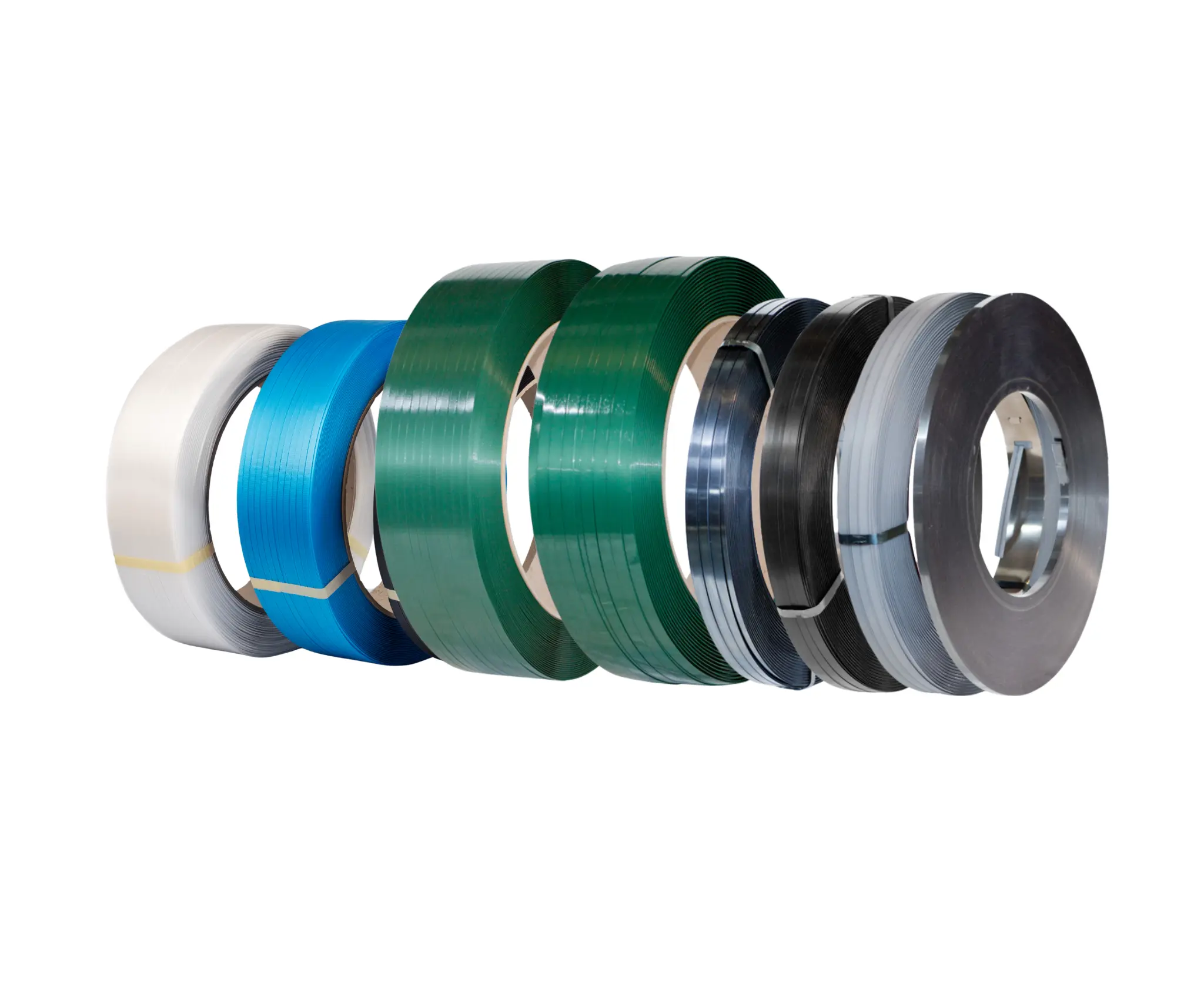
Strapping is used across construction, manufacturing, warehousing and transport to secure, bundle and stabilise loads — whether that’s timber packs on a truck, palletised bricks, steel coils, or general freight. But not all strapping is the same, and choosing the wrong type can mean snapped straps, damaged goods, or an unsafe load. Here’s a breakdown of the three main strapping types — metal, PET plastic, and polywoven — what each is used for, and how to pick the right one.
Metal Strapping
What it is: Metal strapping (also called steel strapping) is a high-tensile steel band used to secure heavy, rigid, or high-value loads. It’s typically supplied in coils and tensioned with a dedicated steel strapping tool, then sealed with metal seals or clips.
What it’s used for:
- Securing heavy building materials such as bricks, steel, timber packs and roofing products
- Bundling steel coils, pipes and structural steel sections
- Export packaging and heavy freight where maximum load-bearing strength is required
- Applications where the load has sharp edges that could cut through weaker strapping materials
- High-temperature or long-duration storage where the strap needs to hold tension over time without stretching
Key advantage: Metal strapping offers the highest tensile strength and the least stretch or elongation under load, making it the go-to choice for heavy, rigid and high-value goods.
PET Plastic Strapping
What it is: PET (polyethylene terephthalate) strapping is a high-strength plastic strap designed as a safer, more flexible alternative to steel strapping. It offers similar load-holding performance to metal strapping in many applications, without the sharp edges or rust risk.
What it’s used for:
- Bundling bricks, blocks, timber and building materials on pallets
- Securing palletised and non-palletised loads for transport
- Steel coil and general industrial packaging where a safer alternative to metal strapping is preferred
- Recycling and general manufacturing applications requiring a strong, retensionable strap
Key advantage: PET strapping combines high break strength and good tension retention with far greater safety than steel — no sharp edges, no rust, and it retains tension well even if the load settles or compresses slightly over time. It’s increasingly used as a direct steel strapping replacement across construction and manufacturing.
Polywoven Strapping (Polypropylene Woven Strapping)
What it is: Polywoven strapping is a soft, woven polypropylene strap — flexible, lightweight, and gentle on the surfaces it’s securing. Unlike PET or steel, it has some elasticity, allowing it to flex and absorb shock without breaking.
What it’s used for:
- Bundling timber, joinery, and other surface-sensitive materials that could be damaged by harder strapping types
- Palletising lighter to medium-weight goods for transport and storage
- Manual strapping applications, since it’s easy to apply by hand without specialised tensioning tools
- General-purpose packaging where flexibility and surface protection matter more than maximum tensile strength
Key advantage: Polywoven strapping is soft and flexible enough to protect delicate or finished surfaces, while still providing reliable holding strength for lighter and medium loads — making it a popular choice where product presentation matters as much as load security.
Comparing the Three at a Glance
| Strapping Type | Strength | Flexibility | Surface Safety | Typical Use |
|---|---|---|---|---|
| Metal Strapping | Highest | Low (rigid) | Sharp edges, can mark surfaces | Heavy, rigid, high-value loads |
| PET Strapping | High | Moderate | Smooth edges, safer than steel | Bricks, blocks, timber, general industrial |
| Polywoven Strapping | Moderate | High (some stretch) | Soft, surface-friendly | Timber, joinery, lighter or delicate loads |
Metal, PET and Polywoven Strapping at Topfix
Topfix stocks the full range of strapping options — metal strapping, PET plastic strapping and polywoven strapping — along with the tensioning tools, seals and accessories needed to get the job done. Whether you’re bundling bricks on site, securing a timber pack, or need a safer alternative to steel for your packaging line, our team can help you choose the right strap width, breaking strain and coil size for your application.
Get in touch with the Topfix team today to check current stock and trade pricing on strapping products.
1300 867 349